

I’ve spent 30 years in this trade, and if there’s one call I get more than any other, it’s from a homeowner who already hired someone else first. Usually the story is the same. A guy showed up, quoted a low price, did the work fast, and left. Six months later a breaker keeps tripping, or a permit was never pulled, or the panel wasn’t actually sized for what they needed. Now I’m the one explaining what went wrong and what it costs to fix it properly.
So this isn’t a generic checklist pulled from somewhere else. It’s what I actually tell my own neighbors when they ask me how to pick an electrician, and what I wish more homeowners knew before they signed anything.
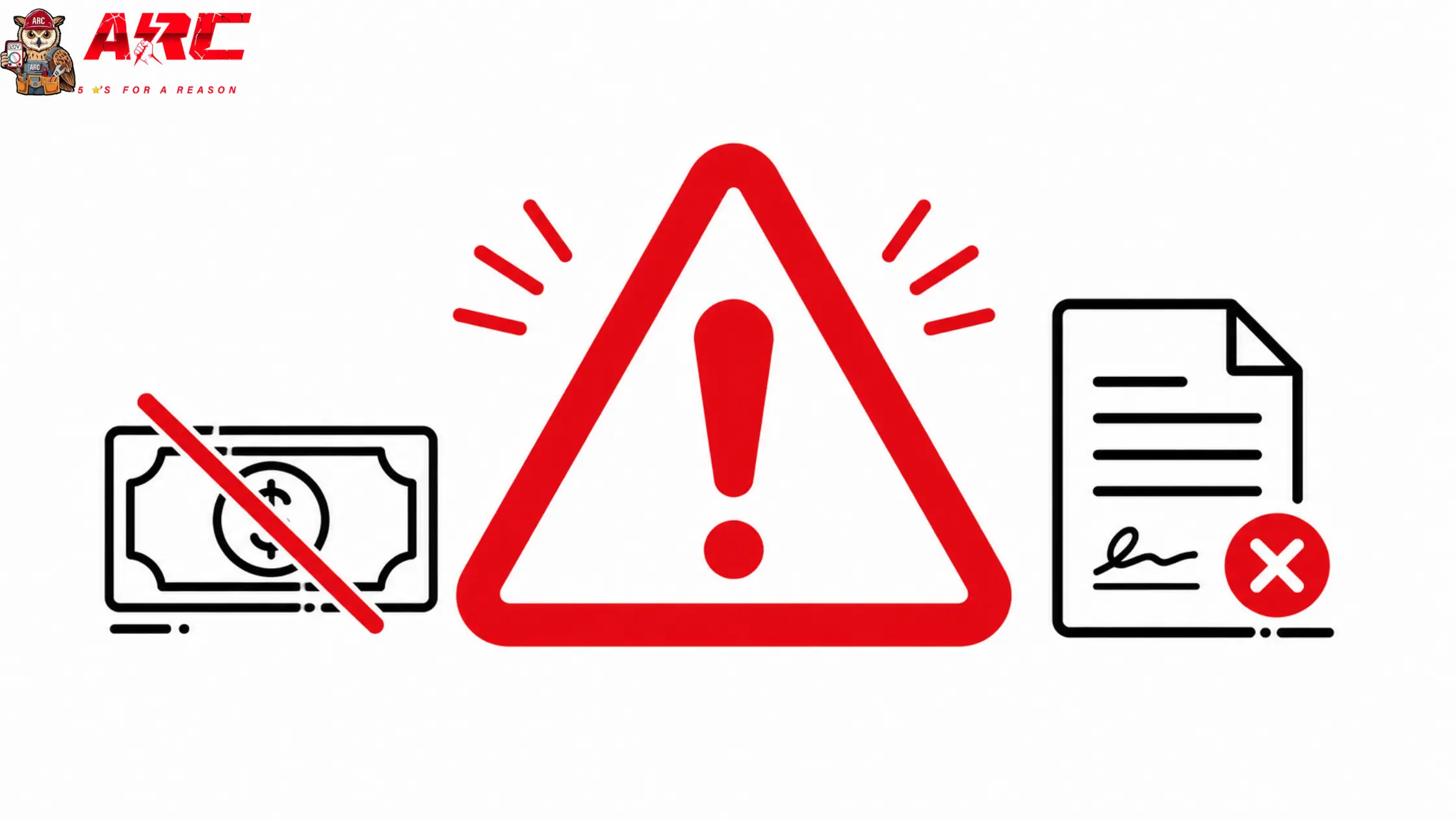
A licensed electrical contractor holds an active C-10 license issued by California’s Contractors State License Board (CSLB). That license means someone has passed a trade exam, carries a bond, and answers to the state if the work is done wrong. In California, any electrical job worth $1,000 or more in labor and materials combined now legally requires that license. That threshold used to be $500. It went up to $1,000 under Assembly Bill 2622, and a lot of homeowners still don’t know it changed.
Here are the seven things I’d personally check before letting anyone touch my own home’s wiring.
1. The License Number Actually Checks Out
Any electrician who hesitates when you ask for their license number is telling you something. I put my license number on every invoice, every truck, and every estimate without being asked, because I want people to check it. Go to cslb.ca.gov, type in the number, and look for one word: Active. If it says inactive, suspended, or expired, that’s the end of the conversation.
One thing most people miss: the classification has to match the job. A general contractor with a B license can legally build you a deck, but that doesn’t mean they’re qualified to size a panel or run a new circuit. You want a C-10 specifically for electrical work. I’ve walked into homes where a “handyman” wired something that technically worked, until it didn’t, and there was no license behind it to hold anyone accountable.
2. They're Bonded and Carry Workers' Comp
This one’s boring until it isn’t. Every legitimately licensed contractor carries a $25,000 surety bond, which is your safety net if a contractor takes a deposit and vanishes. If they have employees on your property, they also need current workers’ compensation insurance. I’ve seen homeowners assume their homeowner’s insurance would cover an injury on their property. It usually doesn’t, not when the person hurt was working for someone else. That bill lands on you if the contractor isn’t covered.
Both of these show up on the same CSLB lookup as the license status, so it takes an extra thirty seconds to check.
3. They Pull Their Own Permits
If a contractor tells you it’ll be faster or cheaper to skip the permit, or asks you to pull it yourself, walk away. I pull permits on every job that requires one, because that’s what puts a city inspector’s eyes on the work before it gets closed up behind a wall. That inspection is not a formality. It’s the thing that catches an undersized wire or a bad connection before it becomes a fire risk two years down the road.
I’ll be honest, permitted jobs take a little longer and cost a little more upfront. That’s the trade-off for having proof the work was actually done to code, and it matters when you sell the house and an inspector pulls the permit history.
4. They Know What 2026 Homes Actually Need
The work I’m doing now is different from what I was doing even three or four years ago. EV chargers, heat pump water heaters, solar and battery setups, they’re all showing up in ordinary Milpitas homes that were built with 100-amp panels back when a house just needed to run lights and a fridge. I’d guess close to half the panel upgrades I do now are driven by a homeowner adding an EV charger and discovering their existing service can’t handle it.
An electrician who’s actually doing this work day to day will talk to you about 200-amp service, smart panels, and load management, not because it sounds impressive, but because that’s genuinely what most homes need to be ready for the next decade. If someone quotes you a panel job without asking what you’re planning to add to your home in the next five years, they’re guessing, not planning.
5. They Run a Load Calculation Before Quoting Anything
This is the step I see skipped the most, and it’s the one that causes the most expensive mistakes. Before I tell a homeowner what size panel or charger they need, I calculate the actual load their home is drawing and what it will draw with the new equipment added. Skipping this means one of two things happens: you overpay for capacity you didn’t need, or you underbuy and end up back here in two years paying for a second upgrade.
If a contractor hands you a price before they’ve looked at your panel and asked what’s running on it, that’s not a shortcut in your favor. That’s a guess with your money attached.
6. They Show Up and Answer the Phone
I know this sounds obvious, but it’s the number one complaint I hear about the last guy. Test this before you sign anything. Call with a question during the estimate process and see how long it takes to hear back. If someone’s hard to reach before they have your deposit, that pattern doesn’t improve afterward. I tell my own crew that a job isn’t done well if the homeowner spent the whole time wondering when we’d show up next.
7. The Warranty Is Written Down, Not Just Spoken
Anyone can tell you “don’t worry, I stand behind my work.” I’d rather put it on paper. Ask exactly what’s covered if a breaker fails or a connection comes loose six months after the job, and get that answer in writing before the work starts, not after something goes wrong.
How Do I Actually Check a License Myself?
It takes about two minutes. Go to cslb.ca.gov/OnlineServices/CheckLicenseII, type in the license number, and the page will show you the status, the classification, bond information, workers’ comp status, and any complaints filed against them. I’d encourage every homeowner to do this even for a company they’ve heard good things about. A referral tells you about someone’s work quality. It doesn’t tell you whether their bond lapsed last month.
The Red Flags I'd Personally Never Ignore
After 30 years doing this work, these are the patterns that show up again and again with unlicensed or careless operators:
- They won’t give you a license number, or they make an excuse instead of just producing it
- They only want cash and won’t put anything in writing
- They ask for a deposit bigger than 10% of the job or $1,000, whichever is less. California law limits this for a reason
- They tell you to pull your own permit
- Their quote is dramatically lower than everyone else’s. There’s usually a reason for that, and it’s rarely a good one
- You can’t find a real business address anywhere
Does One Bad Review Mean I Should Rule a Contractor Out?
Not necessarily, and I say that as someone with a review or two I’m not thrilled about. Every contractor who’s done enough jobs has had at least one that didn’t go perfectly. What I’d actually look at is the CSLB complaint history, not just star ratings. A single resolved complaint from years ago is different from a pattern of complaints or an actual suspension. That pattern is the real signal.
Is a License Check Good Forever Once I've Done It?
No, and this one surprises people. A license can go inactive or suspended between the time you check it and the time work actually starts, if a bond lapses or a new complaint comes in. On a bigger project I’ll usually tell homeowners to recheck the status close to the start date, especially if there’s been any gap between the estimate and the scheduled work.
Why I'm Telling You All This
I’m not writing this to talk you out of hiring anyone but us. I’m writing it because I’ve spent 30 years in this trade cleaning up work that never should have passed inspection in the first place, and every one of those calls started with a homeowner who just wanted someone reliable and didn’t know what to check for. ARC Electrical Services has been licensed and working in Milpitas since 2018, our C-10 license number is 1151251, and I’d genuinely encourage you to look it up before you call us, not just take my word for it. We pull our own permits, run a real load calculation before quoting panel or EV charger work, and we’re bonded and insured on every job we take.
Since I took over ownership of ARC Electrical Services in 2026, this is the standard I’ve held our team to across Santa Clara County: safety first, workmanship that actually holds up, clear communication from the first phone call to the final inspection, and respect for the fact that we’re working inside someone’s home, not just a job site. I’ve put real time into technician training and into building processes. Our whole crew follows the same way, on every job, because “usually done right” isn’t good enough when it’s your family’s electrical system. My goal has never been complicated. Give honest guidance, do reliable work, and earn the kind of trust that means you call us again next time, or send a neighbor our way.
Reach out here if you want a straight answer about what your home actually needs. No pressure, and no guessing on our part either.